

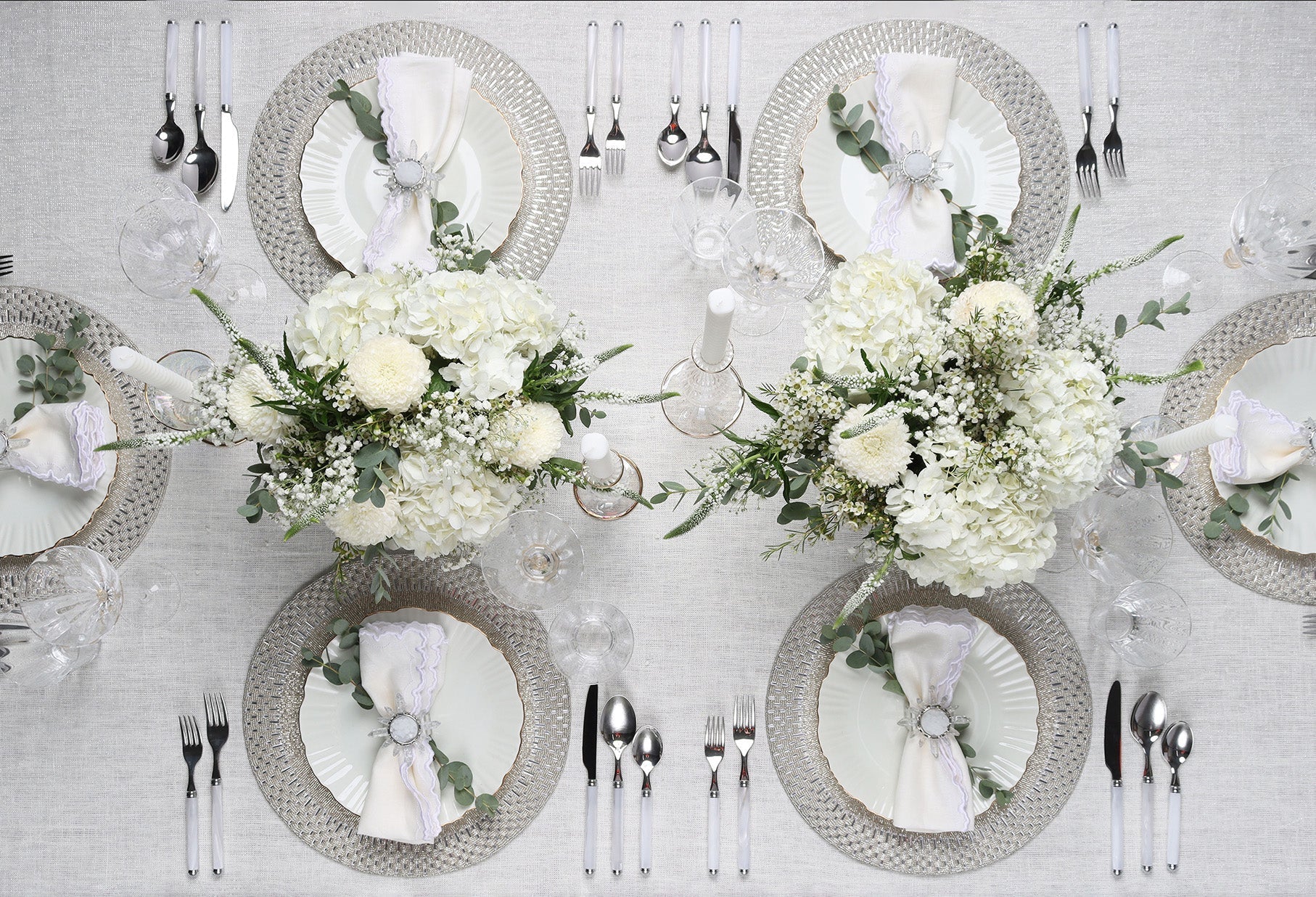
The Complete Guide to Luxury Flatware Settings and Silverware Etiquette

Flatware and silverware settings represent the architecture of an elegant meal. These sets of utensils, plates, and glasses guide your guests through dinner courses with relaxed refinement.
Whether you're hosting a holiday celebration or setting the table at home, a high-quality flatware set and proper placement will change your entire dining experience.
This essential style guide explains time-honored etiquette and modern hosting sensibilities so you can style polished casual arrangements and more elaborate multi-course table settings.
With fashionable tablescape expert Kim Seybert's designer eye and insights, you'll learn spacing techniques, recommended silverware and flatware brands, and styling ideas for pairing with designer dinnerware, stylish barware, and luxury table decor. This complete reference guide helps you set a beautiful table with confidence every time.
How to Set Flatware & Fashionable Fundamentals

Every table setting begins with a few dependable rules. These principles keep your arrangement balanced and easy for guests to navigate:
- Place the dinner plate about 1 inch from the edge of the table.
- Align flatware so the bottom edges form a clean, straight line.
- Leave half an inch between each utensil for breathing room
- Arrange forks on the left in the order they'll be used.
- Knives and spoons sit on the right.
- Knife blades face inward
- Water and wine glasses are placed diagonally above the knives.
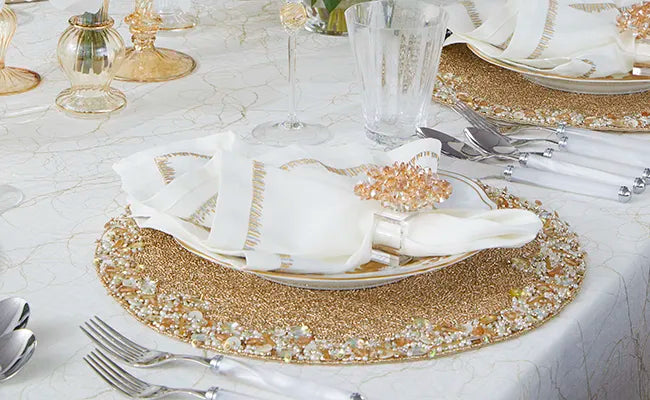
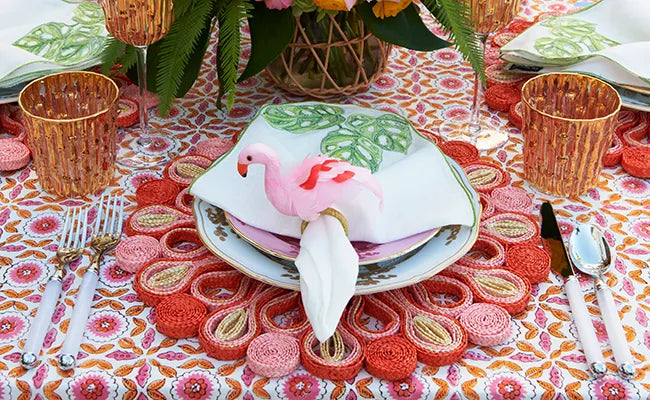
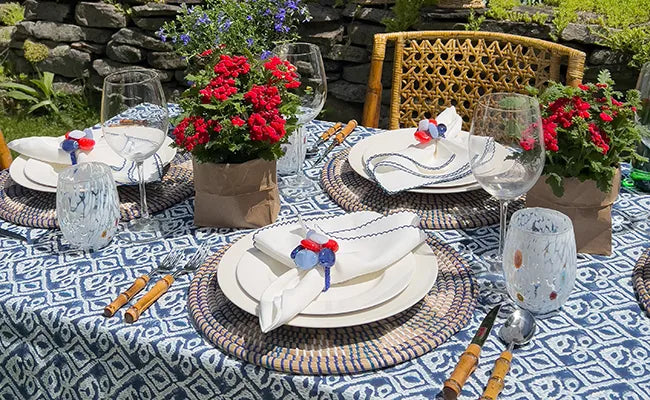
- Napkins may sit to the left of the forks, beneath them for casual meals, or centered on the plate for formal settings.
Once the methodology feels natural, you can adapt to any level of formality.
American vs. Continental Styles
Two tried-and-true approaches with unique distinctions:
- American Style: A more relaxed, intuitive, and widely used setting in modern homes. Forks are placed face-up, and dessert utensils will often be pre-set above the plate. In general, diners also switch hands when cutting. A more commonly practiced style that feels familiar and welcoming at gatherings.
- Continental Style: Elegant and streamlined, this approach creates a more formal European impression. Fork tines facing downward, with slightly tighter spacing. Dessert utensils may be pre-set or brought with dessert. The fork should remain in the left hand throughout the meal.
Neither method is "more correct." Each approach expresses a different interpretation of refinement.
Formal Silverware Etiquette Explained

Use these guidelines whenever you're building a more formal silverware setting:
- Center the dinner plate one inch from the table's edge.
- Place the dinner fork to the left of the plate.
- Add the salad fork to the left of the dinner fork.
- Place the dinner knife to the right of the plate with the blade inward.
- Add the soup spoon to the right of the knife.
- Maintain a half-inch gap between all utensils.
- Place the dessert fork horizontally above the plate, with the handle to the left.
- Add the dessert spoon above it with the handle to the right.
- Place the water glass above the knife.
- Add the white wine glass to the lower right of the water glass.
- Layer the red wine glass slightly higher and farther right.
- Position the napkin to the left, under the forks, or centered on the plate.
Silverware Setting Ideas for Every Occasion
- Holiday Dinner: Add place cards, party crackers, and luxury table linens that feel abundant as the festivities. In addition to heirloom dinnerware and silverware sets, let smaller pieces make a statement like a gravy ladle, cake server, ice cream scooper, cheese knife, or salt and pepper shakers.
- Weekend Brunch: Keep it lighter and low-key, using only the necessary utensils. Add a champagne flute for serving drinks, and place a coffee cup behind the glassware.
- Wine Pairing Dinner: Use minimalist flatware settings to allow the tasting sequence to take center stage. Glasses can be lined up or arranged in a fan or a diamond pattern to save space. Match specific glassware to enhance the type of wine, such as a Bordeaux glass, a Pinot Noir glass, a white wine glass, and a champagne glass.
How to Style Flatware Sets with Luxury Tablescapes

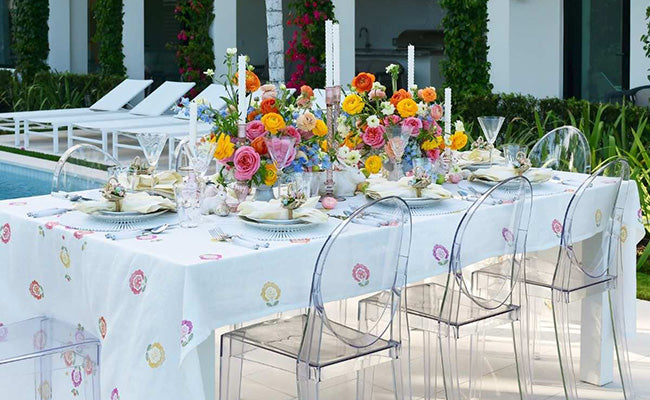
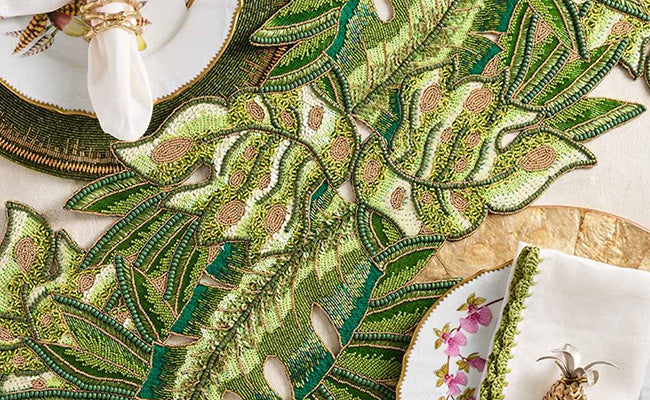
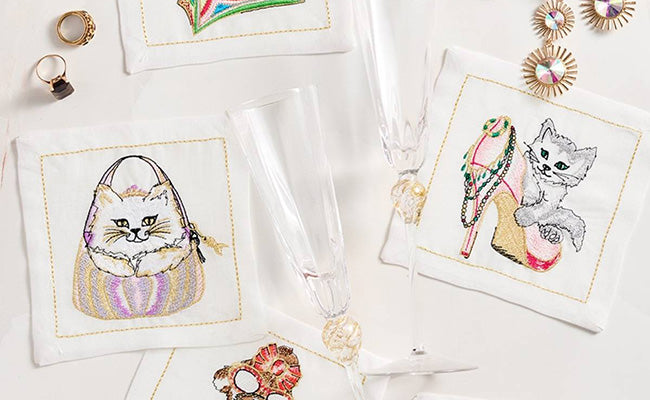
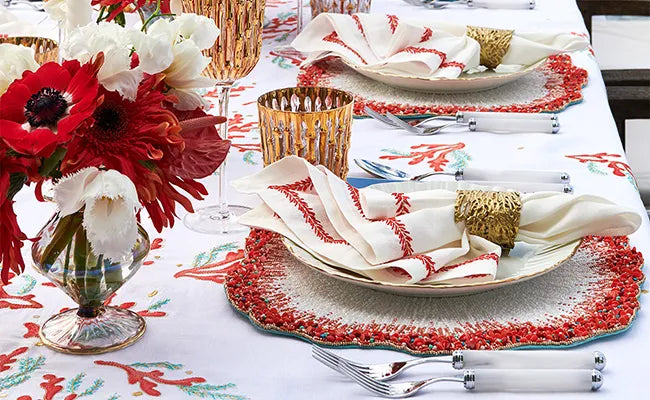
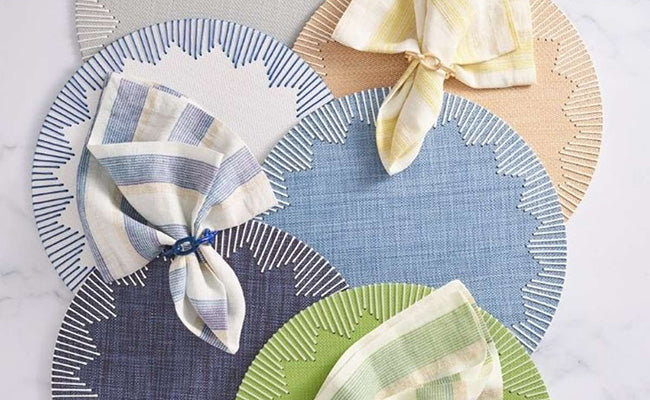
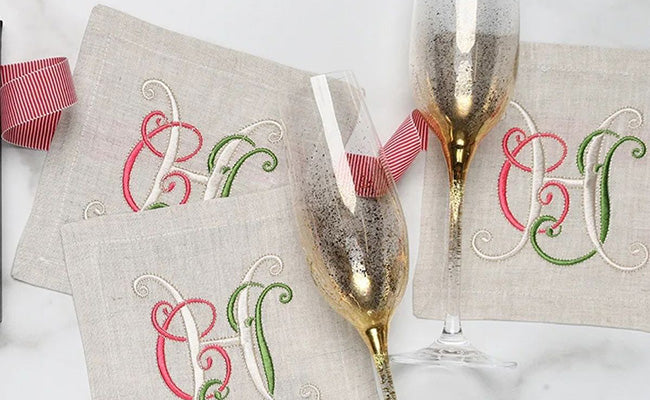
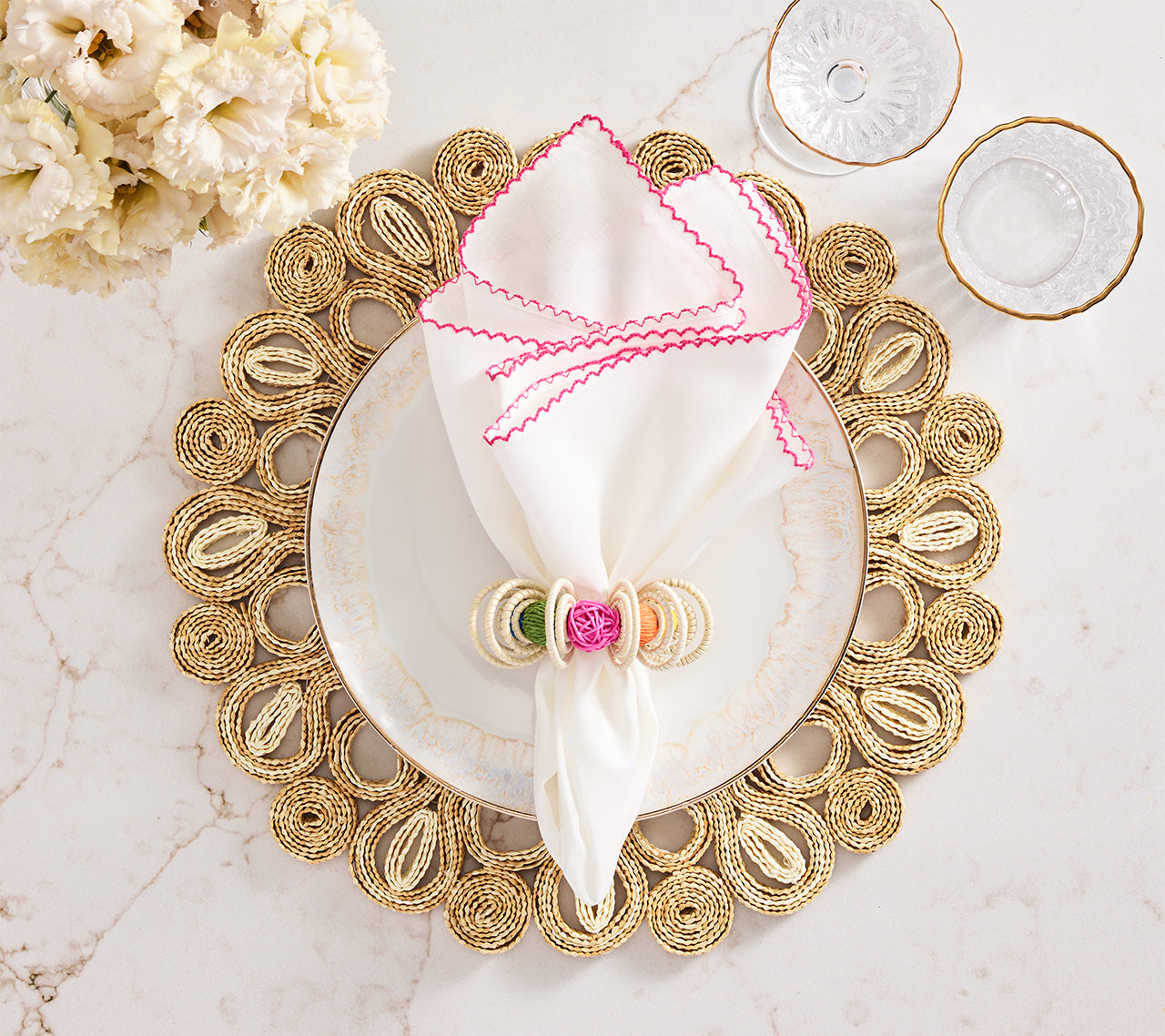
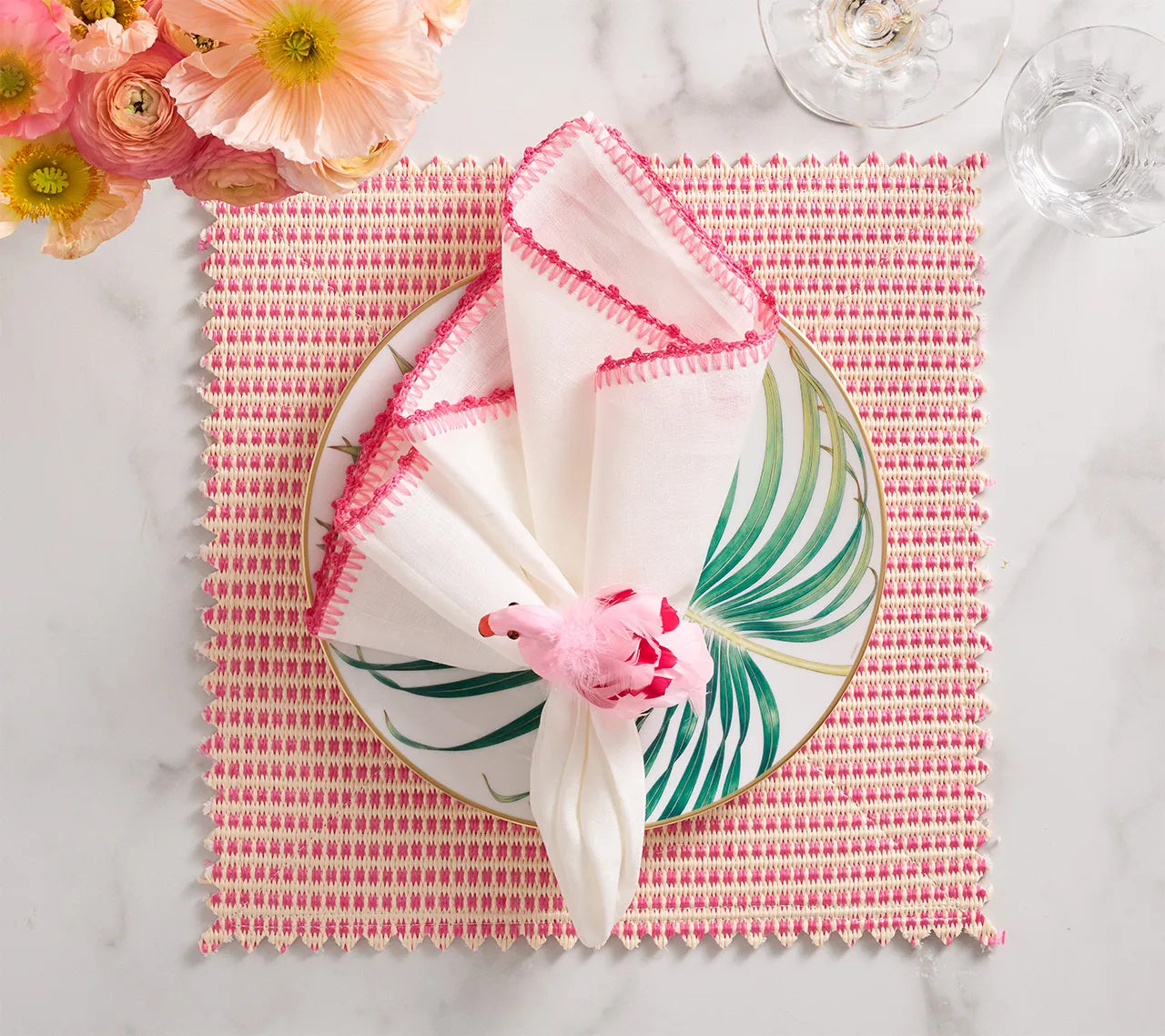
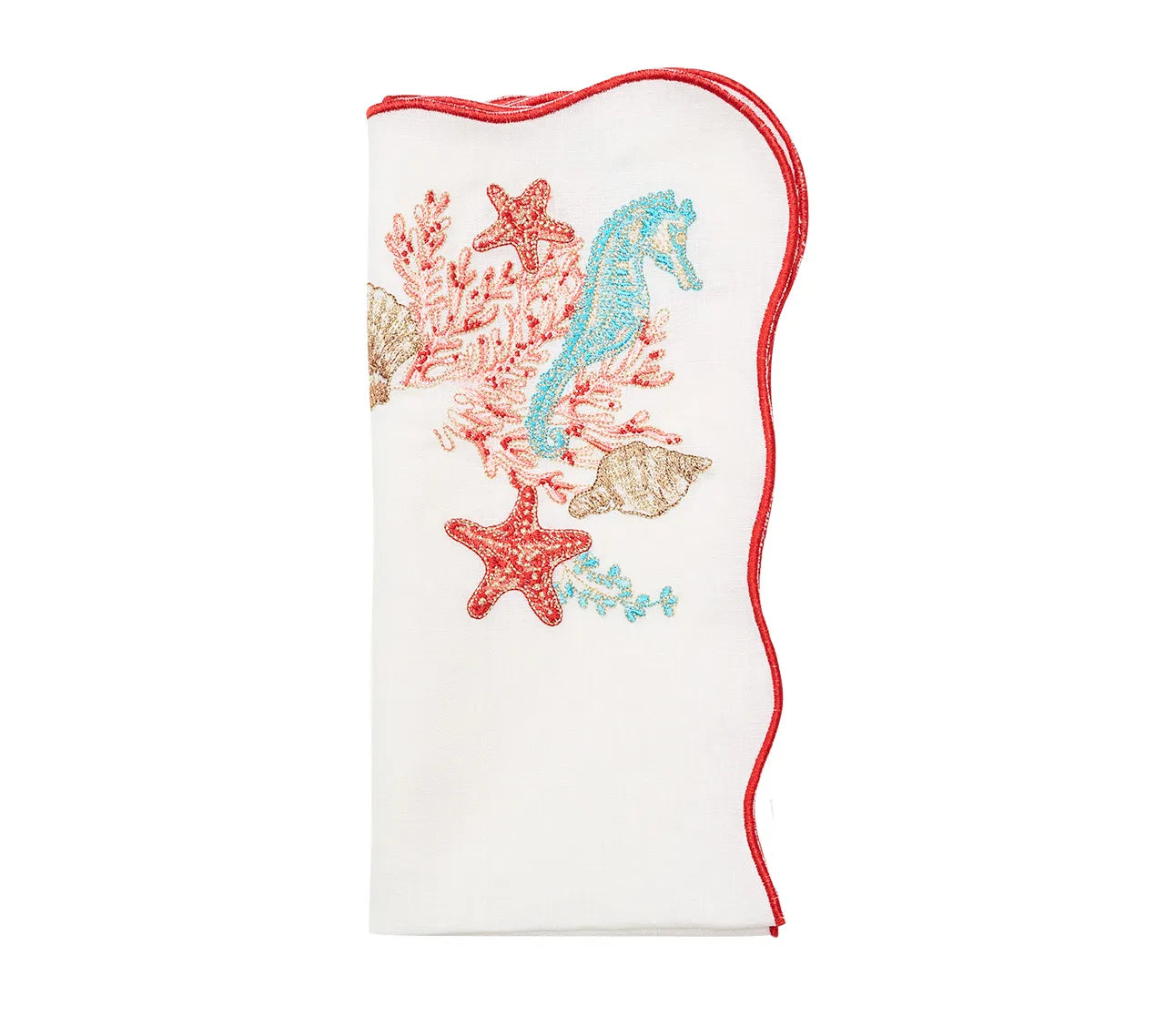
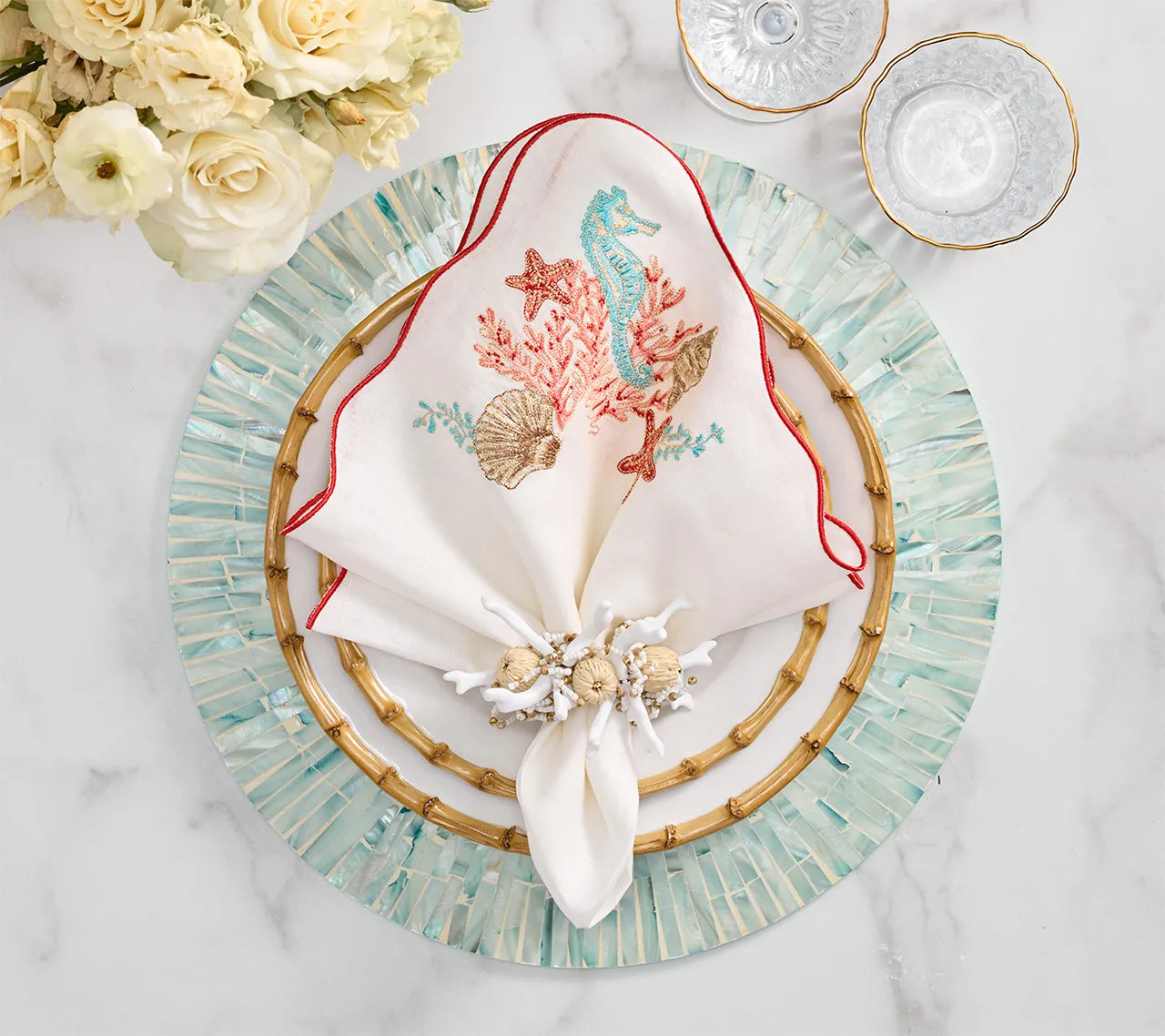
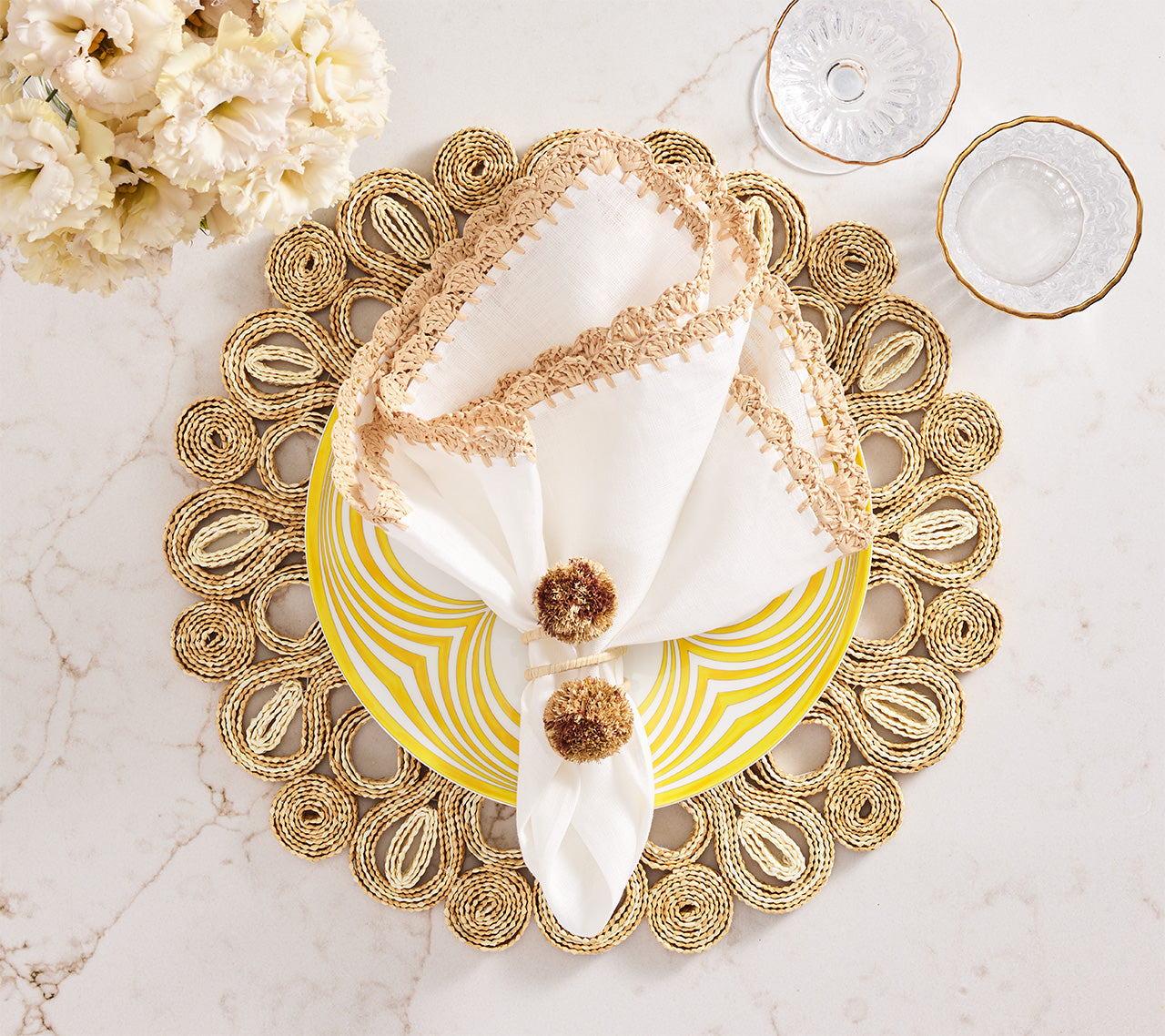
- Establish the tone of the table with a coordinated base, such as a tablecloth, table runner, or placemats. Embroidered linens complement polished silver or gold finishes, and textured or natural fabrics pair better with brushed stainless steel and matte flatware.
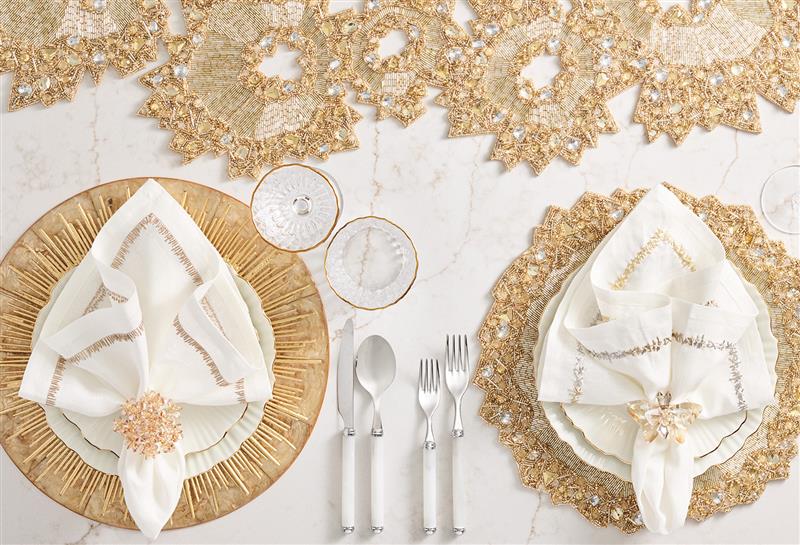
- Use a charger plate for formal meals to add subtle sophistication. Choose a charger that supports your flatware finish. Warm metallic chargers enhance gold and champagne tones, while porcelain or stone chargers allow stainless steel to stand out.
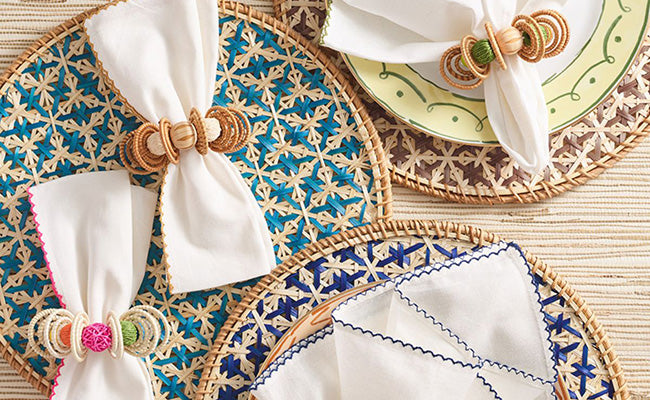
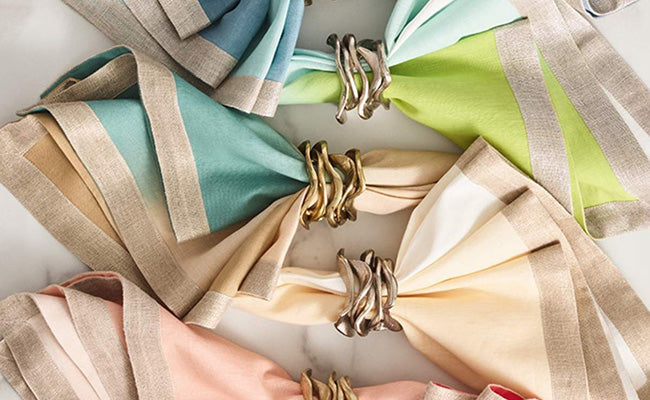
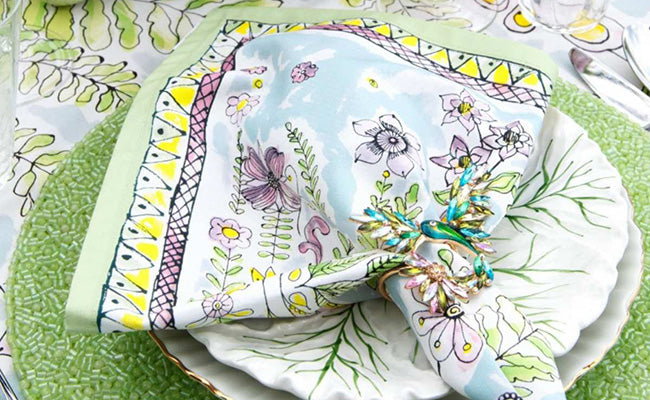
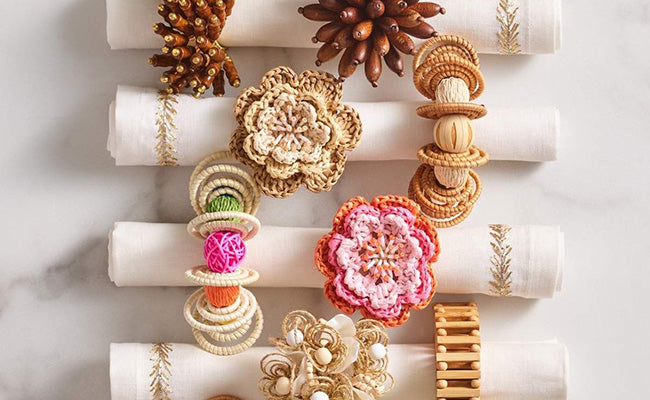
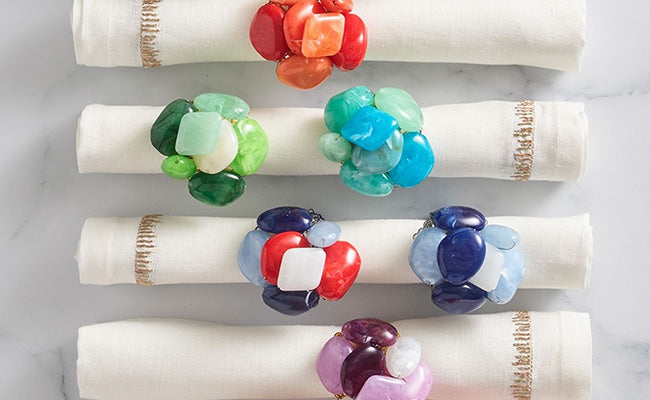
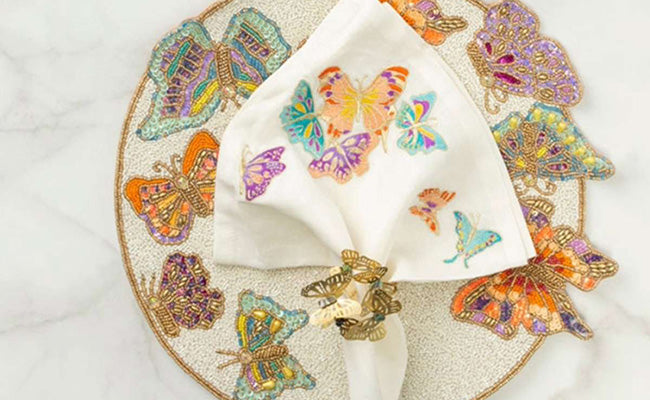
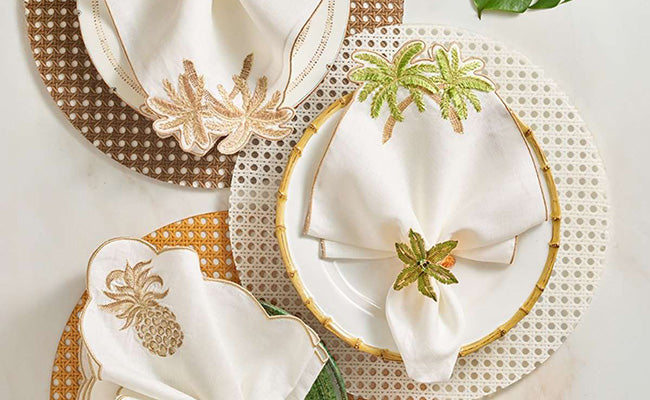
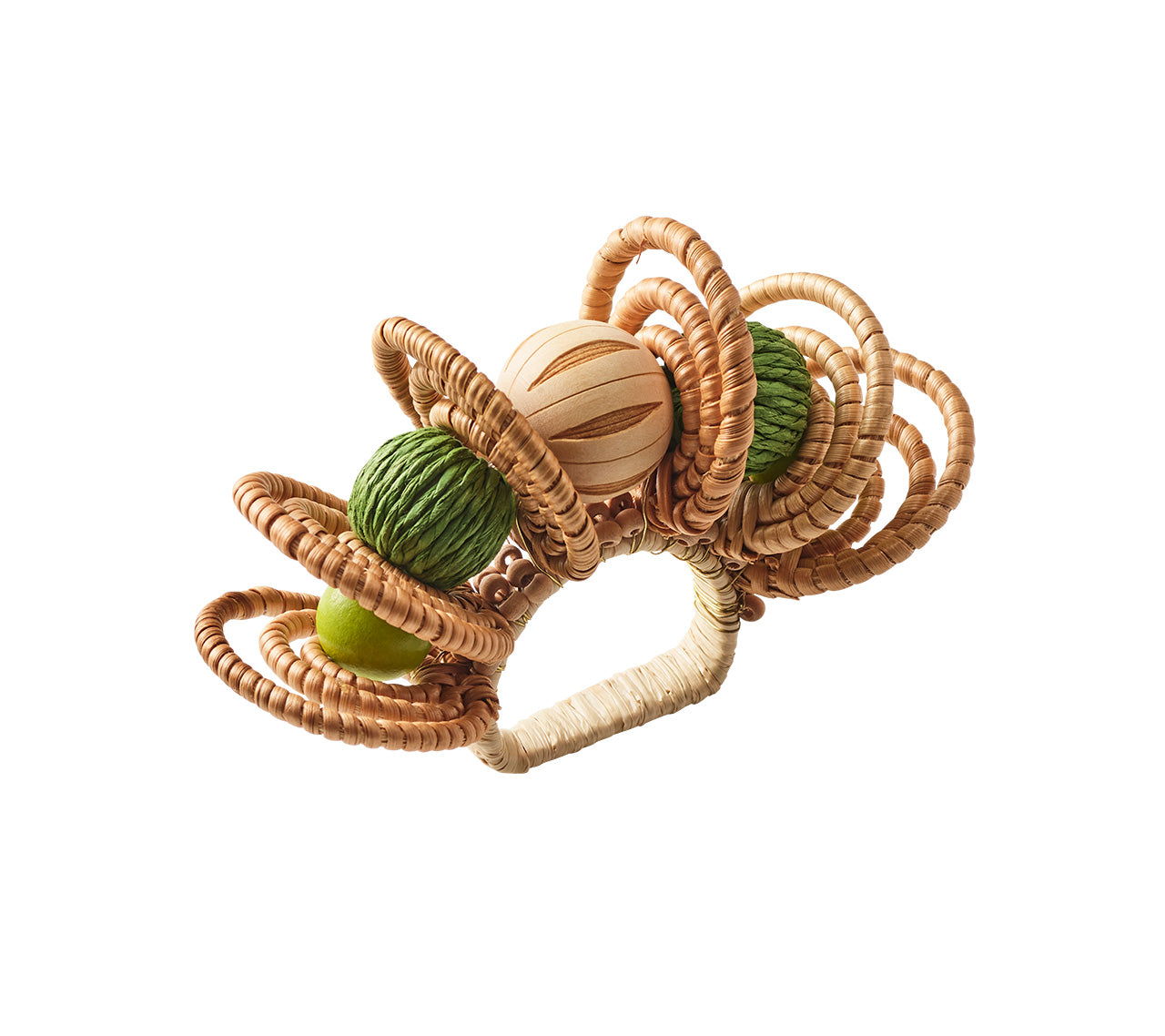
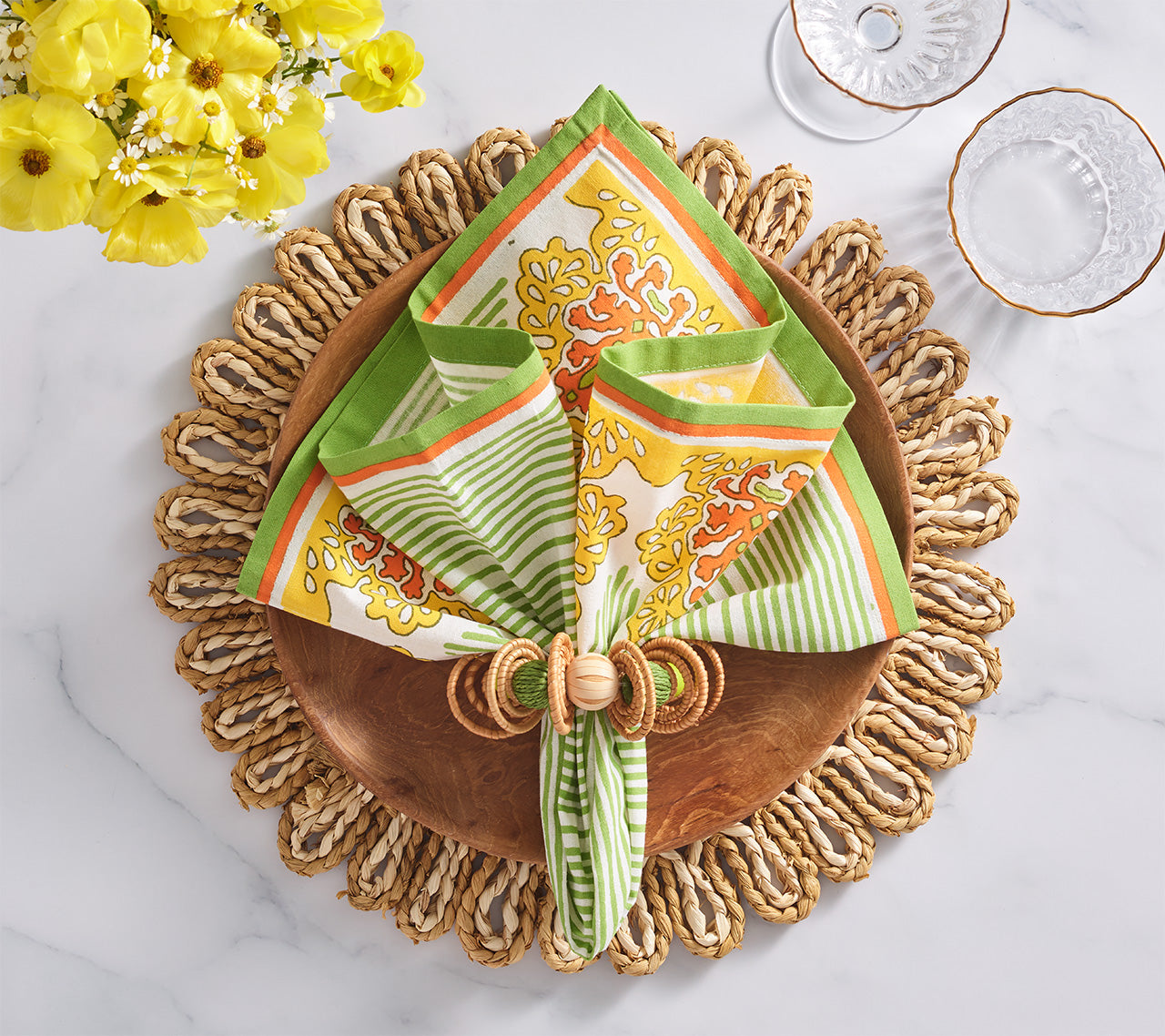
- Add a neatly folded napkin or decorative napkin ring for elegant flair. When flatware is ornate or metallic, keep napkin styling simpler. When flatware is minimal, napkins and napkin holders bring that much needed embellishment.
- Choose dinnerware that suits your courses and table's color palette. Allow it to guide your flatware, too. Delicate china pairs naturally with refined, slender flatware, but heavier stoneware or ceramic plates benefit from flatware with weighty presence.
- Arrange flatware with care and consistency across the table. Even spacing and alignment create a composed, intentional look.
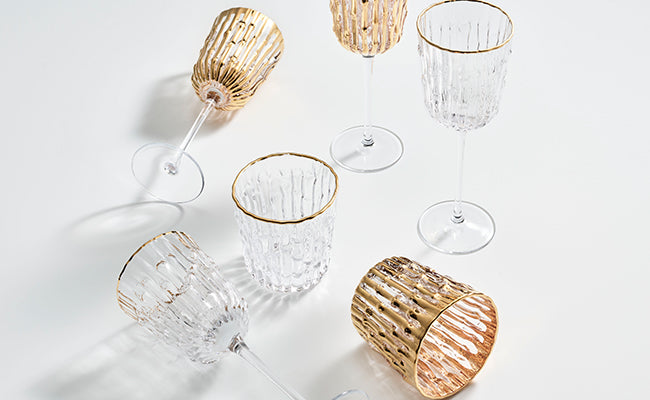
- Use high-quality glassware that complements your flatware's finish. For crystal and fine glass, opt for polished metals. Modern stemware works well with brushed or matte finishes.
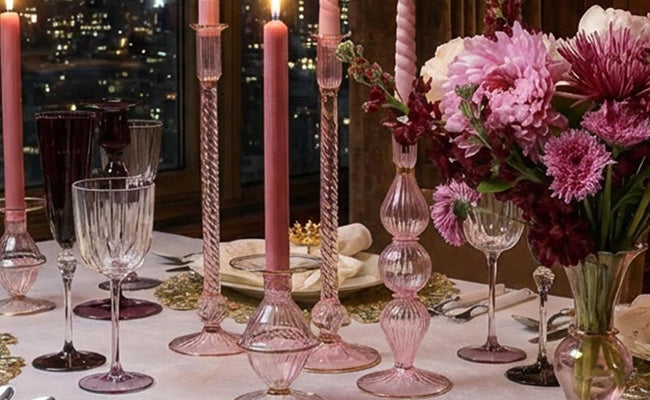
- Add a centerpiece such as flowers, greenery, or candles that ties into the overall palette. Keep arrangements low enough to support easy conversation and maintain balance at the table.
- Aim for harmony rather than exact matching by balancing finishes, textures, and proportions throughout the setting.
How to Care for Flatware and Silverware

Flatware and silverware settings will look beautiful and perform well at every meal with designer-approved tips such as:
Cleaning with Ease
- Rinse soon after use.
- Wash in warm, soapy water.
- Soak stubborn spots briefly.
- Use dishwashers only when manufacturer-approved.
Drying and Storage
- Dry thoroughly to avoid water marks.
- Store flatware in a drawer organizer or case.
- Wrap silver in anti-tarnish cloth.
Long-Term Preservation
- Polish sterling silver once or twice a year.
- Buff stainless steel as needed.
- Keep all pieces dry.
Buying Guide for Flatware & Silverware

A refined selection prioritizes craftsmanship as much as the style. Consider these best practices:
How to Evaluate High-Quality Flatware & Silverware
Choosing well-made flatware begins with understanding the subtle design and construction details that determine how beautifully a piece performs and how long it lasts.
- Material Grade: High-quality stainless steel resists corrosion, maintains its shine, and lasts for decades. Lower-grade alloys bend more easily, discolor faster, and rarely feel as substantial or refined. Look especially for 18/10 or 18/8 stainless steel, such as Kim Seybert's Mirage Flatware set.
- Weight and Balance: Well-balanced flatware feels comfortably weighted to improve control and ease of eating. Lightweight or poorly balanced pieces often feels flimsy with risks of bending or twisting.
- Construction and Forging: Superior flatware features smooth, seamless construction. Visible welds, sharp seams, or thin stamped sections often signal weaker craftsmanship and reduced durability.
- Finish Quality: A consistent finish, whether polished, brushed, matte, or coated, reflects strong manufacturing standards. Uneven surfaces or inconsistent coloring tend to rust, fade, or flake.
- Design Precision and Ergonomics: The symmetry of a fork, smoothness of a spoon, or sharpness of knife blade indicates careful design.
- Durability and Maintenance: Premium flatware resists staining, scratching, and dulling, even with frequent washing. Lower-quality pieces may warp, corrode, or lose their finish, increasing long-term cost and frustration.
- Craftsmanship: Exceptional craftsmanship appears in refined proportions, thoughtful detailing, and careful finishing. Well-made flatware ages gracefully, retaining both its beauty and structural integrity for generations.
How to Test Flatware Before You Buy It
- Feel the weight: The piece should balance comfortably at its midpoint.
- Inspect the finish: Surfaces should be smooth, without pits or discoloration.
- Check ergonomics: Hold it as if you are eating. Ask yourself if it feels natural.
- Simulate the experience: Lightly mimic cutting or scooping.
- Review materials and product care: Read the descriptions to see whether it's dishwasher-safe or requires more maintenance.
Antique Silverware .vs. Modern Flatware
While both antique and modern flatware bring beauty to the table, they reflect entirely different eras of craftsmanship, care requirements, and design sensibilities.
Antique silverware offers weight, history, and ornate detail but requires upkeep, while modern flatware emphasizes clean lines, contemporary finishes, and everyday practicality.
Trending Flatware Sets & Finishes By Luxury Designers

These are the finishes shaping modern table design, along with the respected brands that offer them. Each brand is known for strong style and consistent craftsmanship.
Mirage Sets in White & Silver
Light, bright white finishes like Pantone's Color of the Year reflect the growing preference for airy neutrals at the table. Kim Seybert's Mirage flatware set captures the Cloud Dancer look with a luminous, pale finish that pairs beautifully with porcelain and luxury table linens. The stainless steel is an elegant choice that still feels timeless.
Organic Bamboo
Bamboo and organic finishes bring a sustainable, natural warmth to the table with neutral tones that pair easily with designer dinnerware and modern ceramics. A Kim Seybert favorite like the Juliska Bamboo set pairs with bamboo table decor for casual dining and relaxed entertaining.
Champagne Gold
Soft, neutral warmth that pairs well with modern Alpine chalet tablescapes and minimalist Scandinavian settings. Mepra offers champagne-toned flatware known for stylish, design-focused appeal.
Brushed Gold
A muted glow suitable for elegant dining. Known for its luxury craftsmanship, Christofle includes brushed gold and vermeil in select collections.
Matte Black
A clean, striking modern finish. Cutipol offers recognized matte-black patterns with distinctive silhouettes.
Brushed Stainless Steel
A practical, understated effect for everyday tables. Zwilling J.A. Henckels produces balanced brushed stainless sets, which are respected for a luxurious look with lasting longevity.
Polished Stainless Steel
A bright, classic shine that suits many settings. Villeroy and Boch creates approachable, yet polished stainless pieces recalling historic European brands.
Two-Tone Metals
Steel paired with gold, black, or brass make modern contrast. Look to Alessi for contemporary two-tone collections influenced by industrial design.
Saturated Metallics
Deep hues such as graphite and bronze are seen in a new light. Yamazaki offers sleek flatware in these rich tones with aesthetics inspired by Japanese design's simplicity.
Next Steps for Mastering Flatware Settings at Formal & Casual Tables

The art of flatware settings will serve you and your guests well for formal dinner parties and casual entertaining. Each fork, knife, spoon, plate, and glass plays a role in guiding guests through the meal with style.
Begin with the three-piece flatware settings. Then, bring out that heirloom silverware to experiment with styling holiday tablescapes and formal dinner table settings. With thoughtful placement and attention to detail, your table will always feel polished with ease.
From creative napkin folding techniques to how to use placemats and table runners, you can refine a sophisticated flatware setting with trending tablescape ideas, high-end wine glasses, designer dinnerware, and the best silverware.







1 comment
Thank you for all your tips and information. You are such a style inspiration. I wish this came in booklet form.
Julie Butler
Leave a comment
This site is protected by hCaptcha and the hCaptcha Privacy Policy and Terms of Service apply.